

A missing tooth can affect much more than the appearance of a smile. It may change how a person chews, speaks, or feels in social situations. Fortunately, modern implant dentistry offers a way to replace one tooth, several teeth, or, in selected cases, an entire arch.
For people researching implant dentistry in Delray Beach, FL, understanding the process can make the next step feel far less intimidating. Dental implant treatment is not one procedure completed the same way for everyone. It is a carefully planned series of steps based on oral health, bone support, personal goals, and the type of restoration needed.
This article provides general educational information and is not a diagnosis or treatment recommendation. A dentist must examine the mouth and review the patient’s health history to determine whether implants are appropriate.
What Is a Dental Implant?
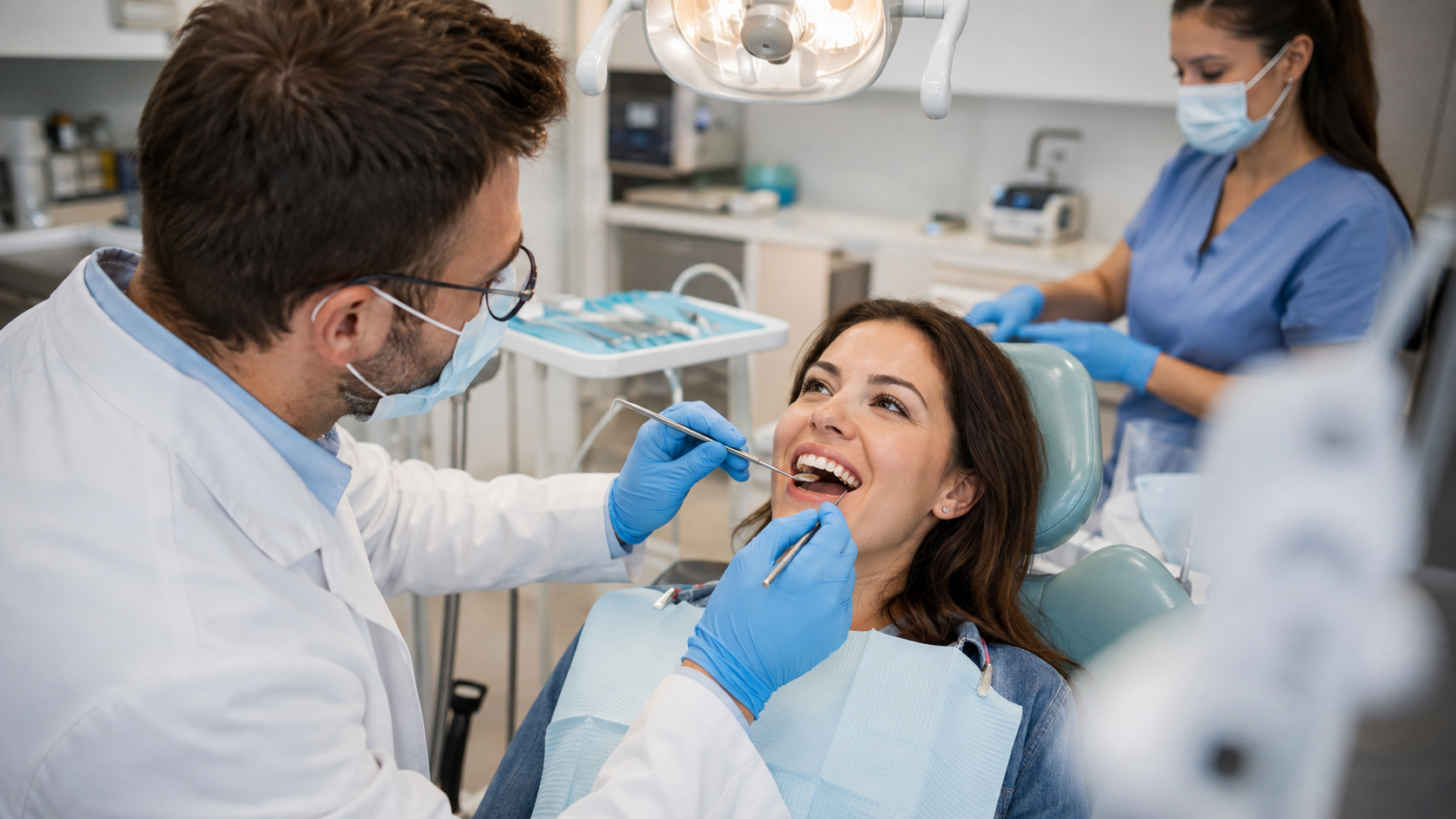
A dental implant is a small fixture placed in the jaw to support a replacement tooth. Although people often use the word “implant” to describe the entire new tooth, an implant restoration usually has three main parts:
- The implant fixture: The portion positioned within the jawbone.
- The abutment: A connector between the implant and the visible restoration.
- The restoration: The crown, bridge, or denture designed to replace the missing tooth or teeth.
The goal is to create a stable, functional replacement that fits comfortably and looks natural alongside the surrounding smile. The design, number of implants, and materials used depend on the patient’s individual needs.
What Can Implant Dentistry Treat?
Implant dentistry is flexible enough to address several patterns of tooth loss. Depending on the clinical evaluation, a dentist may discuss one of the following approaches.
A Single Missing Tooth
One implant may support a single crown without requiring the neighboring teeth to serve as anchors. The dentist plans the crown’s size, shape, shade, and bite so it works with the rest of the mouth.
Several Missing Teeth
When multiple teeth are missing in the same area, implants may support a bridge. Not every missing tooth necessarily requires its own implant. The appropriate number and position depend on available support, bite forces, and the proposed restoration.
Most or All Teeth in an Arch
Selected patients may be candidates for an implant-supported denture or fixed full-arch restoration. These cases require detailed planning because the dentist must consider bone anatomy, facial appearance, speaking, cleaning access, and how the upper and lower teeth meet.
Who May Be a Candidate for Dental Implants?
Many adults with missing or severely damaged teeth can be evaluated for implant treatment, but candidacy cannot be determined from symptoms or photographs alone. A comprehensive consultation generally considers:
- The condition of the teeth and gums
- The amount and location of available bone
- The way the teeth come together
- Current medications and overall health history
- Previous dental treatment
- Daily oral hygiene and long-term maintenance needs
- The patient’s goals, schedule, and budget
Needing additional care before implant placement does not automatically rule someone out. For example, a dentist may recommend treating active oral problems or improving the proposed implant site first. In other situations, a bridge, removable denture, or another restorative option may be more suitable.
How the Dental Implant Process Works
One of the most helpful ways to understand implant treatment is to separate its phases. Early symptom recovery, gum healing, osseointegration, and delivery of the final tooth are related, but they are not the same milestone.
1. Consultation and Diagnostic Planning
The process begins with a conversation about missing teeth, comfort, appearance, and functional concerns. The dentist examines the mouth and may take digital images or three-dimensional scans to evaluate the proposed treatment area.
FLOSS Dental’s implant dentistry information describes the use of three-dimensional planning and facial scanning in Delray Beach, FL. Digital tools can help the dental team study anatomy and plan restoration position, but technology does not replace clinical judgment or guarantee a particular outcome.
2. Preparatory Care, If Needed
Some patients are ready to proceed after planning, while others need preparatory treatment. The exact recommendations depend on the health of the mouth and the condition of the implant site. Any proposed extractions, grafting, periodontal care, or restorative work should be explained before treatment begins.
3. Implant Placement and Early Symptom Recovery
During implant placement, the dentist positions the implant fixture according to the treatment plan. Anesthesia is used to manage comfort, and additional comfort options may be discussed when appropriate.
Early symptom recovery refers to the period when tenderness, swelling, or sensitivity from the procedure settles. The expected pattern varies with the extent of treatment and the individual. Patients should follow their own post-treatment instructions and contact the dental office if symptoms are severe, unexpected, or worsening.
4. Soft-Tissue Healing
Soft-tissue healing describes how the gum tissue closes and stabilizes around the treated area. It is distinct from what is happening deeper in the bone. A site may look calmer at the surface before the implant is ready to support its final restoration.
5. Osseointegration
Osseointegration is the biological process through which the implant develops direct support from the surrounding bone. The dentist assesses readiness using the clinical examination and, when appropriate, imaging. A published review of implant complications notes that lack of integration may be identified through implant mobility and radiographic findings, underscoring why follow-up examinations matter.
The duration of this phase varies, so a personalized estimate should come from the treating dentist. It should not be confused with the shorter period in which initial soreness improves or the gum surface appears healed.
6. Final Restoration
The crown, bridge, or denture is completed after the dental team determines that the implant and surrounding tissues are ready for the planned restoration. This stage may involve impressions or digital scans, bite checks, and adjustments to appearance and comfort.
Delivery of the final tooth marks a different milestone from implant placement. The full treatment schedule may also include preparatory procedures and laboratory work, which is why online timelines cannot predict an individual patient’s completion date.
Comfort and Anxiety During Implant Treatment
Feeling nervous about dental surgery is common. A supportive dental team should explain what the patient can expect, how the area will be numbed, and which sensations are normal during and after the appointment.
Patients are encouraged to be open about previous dental experiences, a sensitive gag reflex, difficulty becoming numb, or anxiety. FLOSS Dental lists sedation dentistry among its available dental services in Delray Beach, FL. Whether a comfort option is appropriate depends on the procedure and the patient’s health history.
Benefits and Limitations to Consider
Dental implants can provide stable support for replacement teeth and may allow a restoration to function without relying on neighboring teeth in the same way as a traditional tooth-supported bridge. They can also be used to improve the retention of certain dentures.
However, implants are not maintenance-free or risk-free. Published clinical reviews describe possible surgical, soft-tissue, integration, and mechanical complications, including inflammation, implant mobility, and loosening or fracture of restorative components. These outcomes are not inevitable, but they help explain why careful planning and ongoing professional care are important.
No dentist can responsibly promise that an implant will last forever. Long-term care includes cleaning as instructed, attending recommended examinations, and reporting changes such as discomfort, bleeding, movement, or difficulty chewing.
How Much Does Implant Dentistry Cost?
There is no single accurate price for every dental implant case. An advertised figure may include only one part of treatment rather than the complete restoration. A written treatment plan should clarify what is and is not included.
Common cost factors include:
- The number of missing teeth
- The number of implants needed
- The type of crown, bridge, or denture
- Diagnostic imaging and planning
- Preparatory treatment
- Anesthesia or sedation options
- Laboratory and material choices
- Insurance benefits and financing arrangements
Patients comparing plans should look beyond the headline price and ask whether it includes the implant, abutment, final restoration, imaging, follow-up care, and any anticipated preparatory procedures.
Questions to Ask at an Implant Consultation
A good consultation should leave the patient informed rather than pressured. Helpful questions include:
- What tooth-replacement options are appropriate for this situation?
- Why is the recommended implant design suitable?
- Is any treatment needed before implant placement?
- What will be used as a temporary tooth, if one is needed?
- How will comfort be managed?
- What signs should prompt a call after treatment?
- When and how will implant integration be evaluated?
- What does the written estimate include?
- How should the final restoration be cleaned?
Frequently Asked Questions About Implant Dentistry
Does getting a dental implant hurt?
The treatment area is typically numbed for implant placement. Sensations and recovery vary according to the procedure and the individual. The dentist can explain the comfort plan and provide personalized aftercare instructions.
Can a dental implant be completed in one visit?
Some steps may occur during the same appointment, but implant placement, biological integration, and delivery of the final restoration are separate milestones. Same-day terminology does not necessarily mean that all healing and treatment are complete.
What if there is not enough bone?
A dentist must review the site clinically and through appropriate imaging. Depending on the findings, the options may include modifying the implant plan, preparing the site, or choosing a different type of tooth replacement.
Are dental implants removable?
The implant fixture itself is designed to remain in the jaw. The restoration may be fixed in place or removable by the patient, depending on whether it is a crown, bridge, fixed full-arch restoration, or implant-supported removable denture.
How long do dental implants last?
There is no guaranteed lifespan. The condition of the supporting tissues, restoration design, home care, professional maintenance, and individual clinical factors can all influence long-term performance.
How should someone choose an implant dentist in Delray Beach?
Patients can ask about diagnostic planning, treatment alternatives, comfort options, follow-up care, fees, and who performs each stage. Clear communication and an individualized plan are more meaningful than promises of speed or guaranteed results.
Take the Next Step With FLOSS Dental
Replacing a missing tooth is a personal decision, and patients deserve enough information to choose confidently. A consultation can determine whether an implant is appropriate, explain alternatives, and provide a treatment plan based on the patient’s actual oral health.
FLOSS Dental provides implant and comprehensive dental services in Delray Beach, FL. Patients who are ready to explore their options can contact the practice at (561) 404-4337 or request an appointment to ask questions and receive individualized guidance. There is no need to make the decision alone—or before every concern has been addressed.