
For many people, the idea of straightening their teeth sounds exciting—until they picture metal brackets, wires, and a long orthodontic process. That is one reason clear aligner therapy has become such a popular choice for teens and adults who want a more discreet way to improve their smiles.
Patients looking for Invisalign options in Delray Beach, FL often have similar questions: How does Invisalign work? Is it comfortable? How long does treatment take? Can it fix crowded teeth, gaps, or bite concerns? And perhaps most importantly, how does someone know whether clear aligners are the right fit?
At a modern dental practice like FLOSS DENTAL, the conversation typically starts with understanding the patient’s smile goals, dental health, lifestyle, and comfort preferences. Invisalign treatment is not one-size-fits-all. It is a customized process designed to gently guide teeth into better alignment using removable, nearly invisible trays.
This article is for general educational purposes only and is not a diagnosis or treatment plan. Anyone considering Invisalign or experiencing dental concerns should schedule a consultation with a qualified dental professional for personalized guidance.
What Is Invisalign?
Invisalign is a brand of clear aligners used to straighten teeth and improve certain bite concerns. Instead of using brackets and wires, Invisalign uses a series of custom-made plastic trays that fit over the teeth. Each set of aligners applies gentle, controlled pressure to move teeth little by little.
The aligners are clear, smooth, and removable. Patients take them out for eating, drinking anything other than water, brushing, and flossing. For many people, this makes daily life feel simpler compared with traditional braces.
Invisalign may be considered for mild to more complex orthodontic concerns, depending on the patient’s needs. A dentist or orthodontic provider evaluates the teeth, gums, bite, and overall oral health before recommending whether Invisalign is appropriate.
Why Patients Choose Clear Aligners
Clear aligners appeal to many patients because they fit into busy adult, teen, and professional lifestyles. While braces remain an excellent option for many situations, Invisalign offers specific advantages that patients often appreciate.
A More Discreet Appearance
One of the biggest reasons patients ask about Invisalign is appearance. The aligners are designed to be nearly invisible when worn, so patients can smile, speak, attend meetings, and take photos with more confidence during treatment.
Removable Trays for Meals and Oral Hygiene
Because Invisalign aligners come out, there are usually fewer food restrictions than with braces. Patients can remove the trays before meals and enjoy most of their usual foods. They can also brush and floss normally, which helps support gum health and cavity prevention during treatment.
Smooth, Comfortable Materials
Invisalign trays are made from smooth plastic and do not include metal brackets or wires. Some pressure or tenderness is normal when switching to a new set of aligners, but many patients find the trays comfortable after a short adjustment period.
Digital Planning and Smile Preview
Many Invisalign providers use digital scanning and treatment planning tools to map out tooth movement. In some cases, patients may be able to preview a simulation of how their smile could change over time. This can make the process feel more predictable and easier to understand.
Common Smile Concerns Invisalign May Address
Patients exploring Invisalign options in Delray Beach, FL may be hoping to correct one or more smile concerns. Invisalign may help with several types of alignment issues, although each case needs an individual evaluation.
Crowded Teeth
Crowding happens when there is not enough space for the teeth to sit in proper alignment. Crowded teeth can make it harder to brush and floss effectively, which may increase the risk of plaque buildup, gum inflammation, and cavities in tight areas.
Gaps Between Teeth
Spaces between teeth can be a cosmetic concern for some patients. In certain cases, gaps may also affect how food gets trapped or how the bite functions. Invisalign may be able to gradually close spaces, depending on the cause and size of the gaps.
Overbite
An overbite occurs when the upper front teeth overlap the lower front teeth more than ideal. A mild overbite is common, but a deeper bite may contribute to tooth wear, jaw discomfort, or aesthetic concerns.
Underbite
An underbite happens when the lower teeth sit in front of the upper teeth. Some underbites require more advanced treatment planning, so a dental professional will carefully evaluate whether clear aligners are suitable.
Crossbite
A crossbite means some upper teeth sit inside the lower teeth when biting down. This can sometimes contribute to uneven tooth wear or gum issues. Invisalign may help certain crossbite cases, depending on severity.
Open Bite
An open bite occurs when the upper and lower teeth do not touch properly when the mouth is closed. This may affect chewing, speech, or tooth wear. Clear aligner therapy may be an option for some patients after a thorough evaluation.
What Invisalign Options Might Be Available?
Not every patient needs the same level of aligner treatment. Invisalign includes different treatment approaches that may be recommended based on the complexity of the case, the number of aligners needed, and the patient’s goals.
Comprehensive Invisalign Treatment
Comprehensive Invisalign treatment is often used for patients who need more significant tooth movement or bite correction. It may involve a longer series of aligners and more detailed planning. This option may be appropriate for patients with crowding, spacing, or bite concerns that require full-mouth alignment.
Limited or Express Aligner Treatment
Some patients only need small cosmetic improvements, such as minor crowding or spacing affecting the front teeth. In these cases, a shorter aligner plan may be possible. Limited treatment is not right for everyone, especially if bite issues or back tooth movement need attention.
Teen Invisalign Options
For responsible teen patients, Invisalign may offer a flexible and discreet orthodontic option. Some aligner systems include features designed for growing patients, such as wear indicators or eruption tabs for developing teeth. A dentist will consider oral maturity, compliance, and orthodontic needs before recommending this approach.
Refinement Aligners
Sometimes, after the first planned series of aligners, the dentist may recommend refinement trays. These additional aligners help fine-tune the final tooth positions. Refinements are a normal part of many aligner cases and help improve the end result when needed.
Retainers After Invisalign
Once Invisalign treatment is complete, retainers are usually needed to help maintain the new tooth positions. Teeth naturally tend to shift over time, so wearing retainers as instructed is an important part of protecting the investment in a straighter smile.
Who May Be a Good Candidate for Invisalign?
A good Invisalign candidate usually has healthy teeth and gums, mild to moderate alignment concerns, and a willingness to wear aligners consistently. The trays typically need to be worn for 20 to 22 hours per day, or as directed by the provider, to keep treatment on track.
Invisalign may be a strong option for patients who want a discreet treatment, can follow instructions, and prefer removable aligners. However, patients with active gum disease, untreated cavities, severe bite problems, or certain jaw alignment issues may need other care before or instead of clear aligner therapy.
Compliance is a major part of success. Since the aligners are removable, the patient is responsible for wearing them as prescribed. If trays are left out too often, teeth may not move as planned, and treatment may take longer.
What to Expect During an Invisalign Consultation
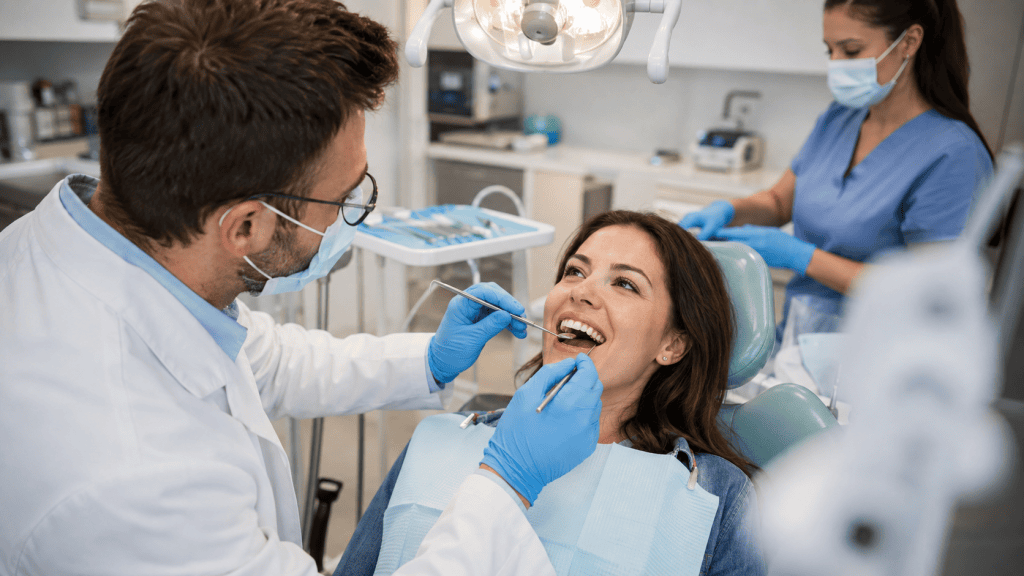
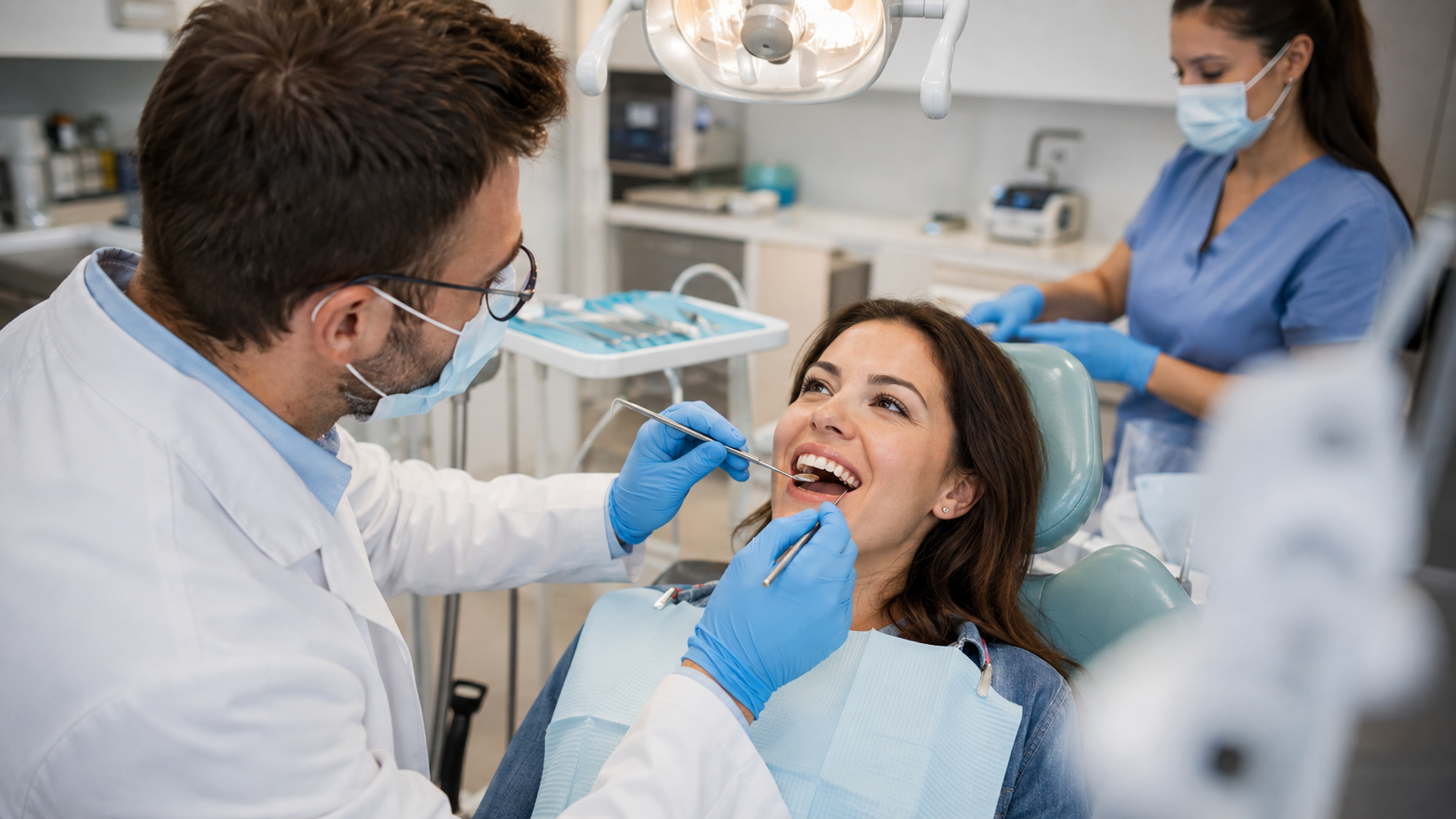
An Invisalign consultation is a relaxed, informative appointment designed to help patients understand their options. It usually begins with a conversation about the patient’s concerns, goals, and dental history.
The dental team may examine the teeth, gums, jaw, and bite. They may also take digital scans, photographs, and X-rays if needed. These records help the provider determine whether Invisalign can safely and effectively address the patient’s needs.
Patients are encouraged to ask questions during this visit. Helpful questions may include:
- Is Invisalign appropriate for this type of tooth movement?
- How long might treatment take?
- Will attachments or buttons be needed?
- How often are check-ins scheduled?
- What happens if an aligner is lost or damaged?
- What retainers will be needed after treatment?
After gathering information, the dentist can explain possible treatment options and help the patient make an informed decision.
How the Invisalign Process Works
While every case is unique, the Invisalign process usually follows a series of clear steps.
1. Digital Scan or Impressions
The provider captures the shape of the teeth using a digital scanner or dental impressions. Digital scans are often comfortable and quick, creating a 3D model of the mouth without traditional impression material.
2. Custom Treatment Plan
The dentist reviews the digital model and plans how the teeth should move. This plan guides the creation of the aligner series. Patients may get an overview of expected movement and general treatment timing.
3. Aligner Delivery
Once the aligners are ready, the patient returns to the office to receive the first sets. The dental team checks the fit and explains how to insert, remove, clean, and store the aligners.
4. Wearing Each Set of Aligners
Patients wear each set of aligners for the recommended amount of time before switching to the next set. Some plans call for weekly changes, while others may differ based on the provider’s instructions.
5. Progress Visits
Periodic visits help the dentist monitor tooth movement and make sure the aligners fit properly. These check-ins are usually shorter than traditional orthodontic adjustment appointments.
6. Retention
After the active movement phase ends, the patient transitions to retainers. Retainers help keep teeth from shifting back toward their previous positions.
Attachments, Buttons, and Other Invisalign Helpers
Some patients are surprised to learn that Invisalign may include small tooth-colored attachments. These attachments are bonded to specific teeth to help the aligners grip and guide movement more precisely.
Attachments are usually subtle, but they can make aligners more effective for certain movements. Some patients may also need small buttons or elastics to help correct bite relationships. The dentist will explain whether these features are necessary and how to care for them.
How Long Does Invisalign Take?
Invisalign treatment time varies based on the complexity of the case, patient compliance, and how teeth respond to movement. Minor cases may take only a few months, while more involved treatment may take a year or longer.
The best estimate comes after a consultation and digital treatment plan. Wearing aligners as directed, keeping appointments, and maintaining good oral hygiene can all help treatment progress smoothly.
What Does Invisalign Cost?
The cost of Invisalign varies depending on several factors, including case complexity, treatment length, the number of aligners needed, whether refinements are included, and the type of retainers recommended afterward.
Some dental insurance plans include orthodontic benefits that may help cover part of the cost. Many practices also offer payment options or financing to make treatment more manageable. Patients interested in Invisalign options in Delray Beach, FL should ask for a personalized estimate during the consultation.
Because pricing is individualized, online averages can be helpful for general awareness but should not be treated as a final quote. A dental team can review the patient’s needs and explain what is included before treatment begins.
Daily Life With Invisalign
Most patients adjust to Invisalign within a few days. There may be a slight lisp at first, but speech usually improves as the mouth adapts. Aligners should be removed before meals and placed in their case, not wrapped in a napkin where they can be accidentally thrown away.
Patients should brush before putting aligners back in whenever possible. If brushing is not available after a meal, rinsing the mouth and cleaning the aligners later is better than leaving food particles trapped against the teeth.
To clean aligners, patients should use cool or lukewarm water and follow their provider’s instructions. Hot water can warp the plastic. Aligners should not be cleaned with harsh products unless specifically recommended by the dental team.
Invisalign vs. Braces: Which Is Better?
Neither Invisalign nor braces are automatically “better” for every patient. The best choice depends on the alignment concern, bite relationship, oral health, lifestyle, and personal preferences.
Invisalign may be ideal for patients who want a discreet, removable option and can commit to wearing aligners consistently. Braces may be preferred for certain complex cases, patients who do not want to manage removable trays, or situations that require specific tooth movements.
A trusted dental provider can compare both options and explain which approach may deliver the safest, most efficient path toward the patient’s goals.
FAQ About Invisalign Options in Delray Beach, FL
Is Invisalign painful?
Invisalign should not feel sharply painful, but mild pressure or tenderness is common when switching to a new set of aligners. This usually means the trays are guiding the teeth. Any severe pain, sore spots, or concerns should be discussed with the dental team.
How many hours per day should aligners be worn?
Many patients are instructed to wear aligners for about 20 to 22 hours per day. The exact recommendation may vary, so patients should follow their provider’s instructions closely.
Can patients eat with Invisalign in?
No. Aligners should be removed before eating. Eating with trays in place can damage or stain them and may trap food against the teeth.
Can patients drink coffee with Invisalign?
It is usually best to remove aligners before drinking coffee, tea, wine, or other colored beverages. These drinks can stain the trays, and hot beverages may warp the plastic. Water is typically the safest drink while aligners are in.
Will Invisalign affect speech?
Some patients notice a slight lisp for the first few days. Most adapt quickly as the tongue gets used to the aligners.
What happens if an aligner is lost?
The patient should contact the dental office for instructions. Depending on the situation, the provider may recommend wearing the previous aligner, moving to the next one, or ordering a replacement.
Are Invisalign results permanent?
Teeth can shift after any orthodontic treatment. Retainers help maintain results, but they must be worn as directed. Long-term retention is an important part of keeping the smile aligned.
Can Invisalign fix all orthodontic problems?
Invisalign can treat many alignment concerns, but not every case is suitable. Severe bite problems, certain jaw issues, or complex tooth movements may require braces or another approach. A consultation is the best way to find out.
A Clearer Smile Starts With a Conversation
Choosing Invisalign is not just about straighter teeth. It is about finding a treatment that fits the patient’s smile goals, comfort level, schedule, and long-term oral health. For many people, clear aligners offer a discreet and flexible path toward improved confidence.
Patients interested in Invisalign options in Delray Beach, FL can start by scheduling a consultation with FLOSS DENTAL. The dental team can answer questions, evaluate the smile, and explain whether Invisalign or another option may be the right next step.