
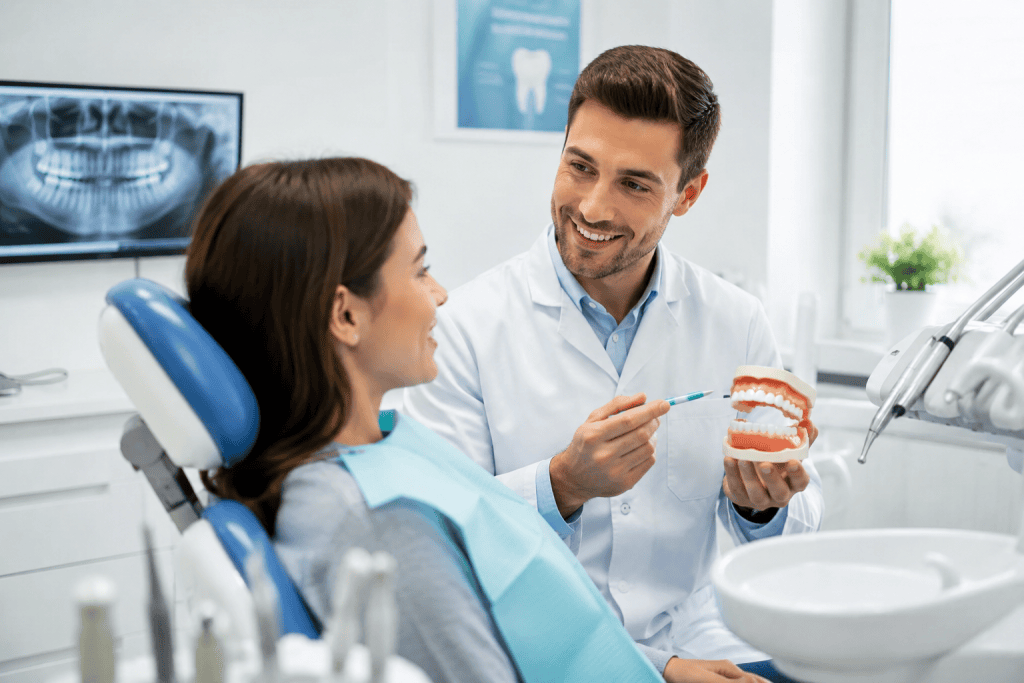
When a dental emergency hits in Delray Beach, you need fast, calm care that stops pain and protects your smile. Call an emergency dentist right away if you have severe pain, uncontrolled bleeding, a knocked-out tooth, or a broken tooth that causes sharp edges or swelling.
They explain common emergencies, immediate actions you can take, and what to expect at an urgent visit so you feel prepared rather than panicked. You’ll learn about modern treatment options, ways to reduce future risk, and how local practices prioritize comfort and quick access to care.
Recognizing Dental Emergencies
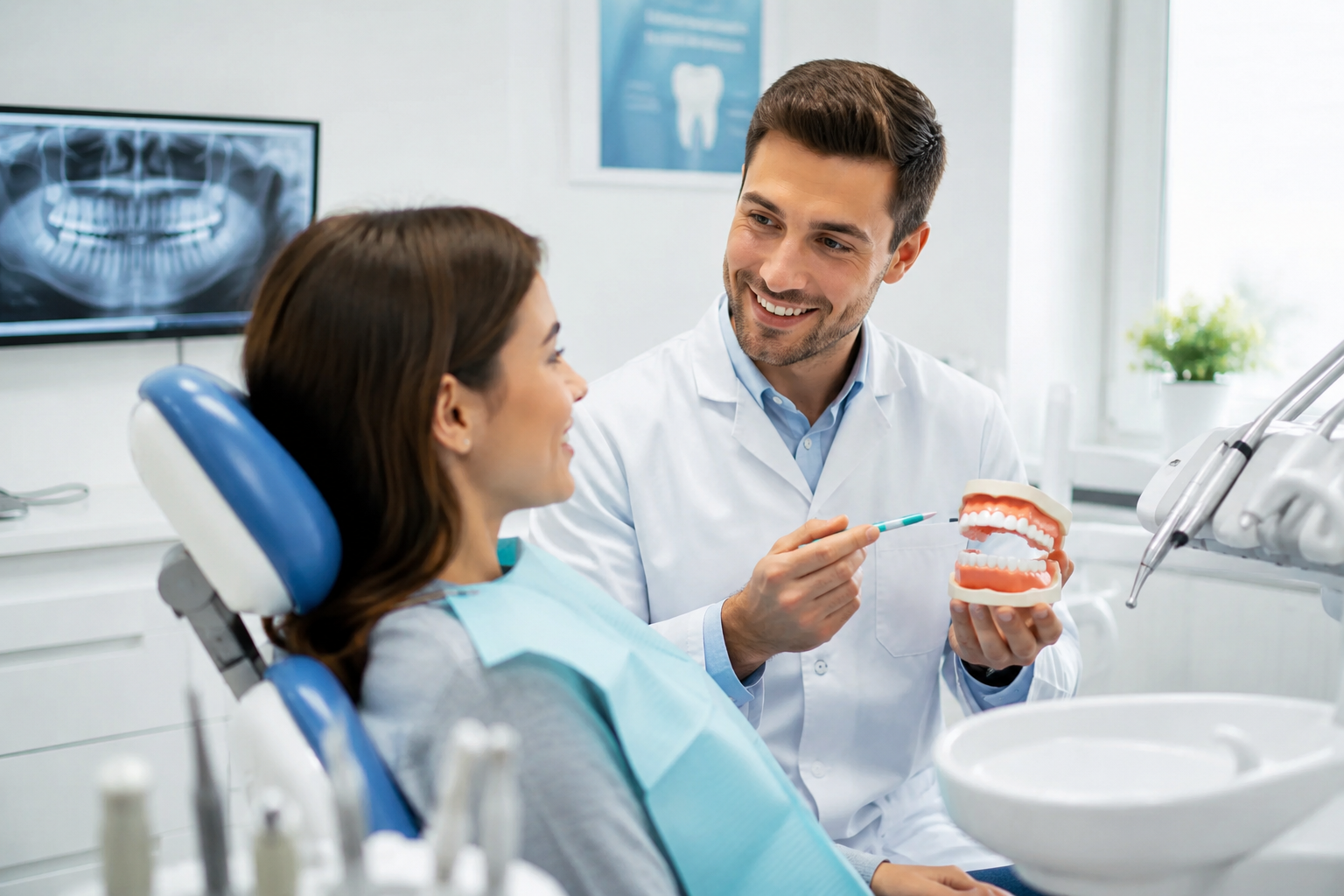
This section highlights clear signs that a dental issue needs immediate attention, how to tell urgent from non-urgent problems, and when to seek care right away. It focuses on visible symptoms, pain patterns, bleeding, trauma, and infection risks.
Common Signs and Symptoms
Severe, unrelenting tooth pain that wakes a patient at night or prevents normal eating and sleeping signals a problem that often requires prompt evaluation. Pain that radiates to the jaw, ear, or neck may indicate a spreading infection or an abscess.
Visible trauma—such as a knocked-out tooth, a tooth broken down to the root, or a large piece of crown lost—demands urgent care to maximize chances of saving the tooth. Heavy bleeding from the mouth that does not stop after 10–15 minutes of firm pressure is another red flag.
Swelling of the face or mouth, especially when worsening over hours or accompanied by fever, suggests a spreading infection that can obstruct breathing or swallowing. Persistent numbness, loosening of multiple teeth, or a foreign object lodged in soft tissue also merit prompt dental assessment.
Urgent Versus Non-Urgent Situations
Urgent situations require same-day or next-day dental attention to prevent permanent damage or systemic infection. Examples include tooth avulsion (knocked-out tooth), severe uncontrolled bleeding, swelling with fever, and extreme pain unrelieved by over-the-counter analgesics.
Non-urgent problems can often wait for a scheduled appointment without increased risk. These include mild tooth sensitivity, a chipped tooth without sharp edges, minor fillings that fall out without pain, and cosmetic concerns.
Use this quick checklist: severe pain, uncontrolled bleeding, swelling + fever, or knocked-out tooth = urgent. Mild discomfort, cosmetic chips, or routine checkups = non-urgent. When in doubt, contacting a local Delray Beach dental office for guidance avoids unnecessary delay.
When to Act Quickly
If a permanent tooth is completely dislodged, seek treatment within 30–60 minutes for the best chance of reimplantation. Keep the tooth moist—store it in milk, saline, or the patient’s saliva—and avoid touching the root.
For heavy bleeding after dental trauma, apply firm gauze or clean cloth with continuous pressure and go to an emergency dental clinic or the emergency room if bleeding persists after 15 minutes. Rapidly increasing facial swelling, difficulty breathing, or swallowing requires immediate emergency care.
If symptoms suggest a spreading infection—fever, red streaks on the skin, or significant swelling—contact emergency dental services or urgent care without delay. Document symptoms, the time of injury or onset, and any medications taken to speed triage and treatment.
Immediate Steps to Take During a Dental Crisis
Act quickly and stay calm. Focus on pain control, preserving teeth, and reducing bleeding or swelling until a dentist can provide definitive care.
Managing Severe Tooth Pain
They should rinse with warm salt water to clean the area and reduce irritation. Mix 1/2 teaspoon of salt in 8 ounces of warm water and swish gently for 30 seconds, then spit.
For sharp or throbbing pain, apply a cold compress to the cheek for 10–15 minutes on, 10 minutes off. This limits swelling and numbs the area without causing skin damage; wrap ice in a thin towel.
Over-the-counter pain relievers like ibuprofen (200–400 mg every 4–6 hours) or acetaminophen (500–1,000 mg every 4–6 hours) can help. Follow label dosing and avoid combining NSAIDs and aspirin unless instructed by a clinician.
Avoid placing aspirin or other medications directly on the gum or tooth; this can damage soft tissue. If pain follows dental work or a new filling, contact the dentist promptly — persistent pain often signals infection or bite problems that need professional adjustment.
Handling Knocked-Out or Broken Teeth
If a tooth is completely knocked out (avulsed), find it, hold by the crown only, and rinse gently under water without scrubbing. Do not remove any attached tissue fragments.
Attempt to reinsert the tooth into its socket immediately if possible; they should bite gently on a clean cloth to hold it in place. If reinsertion isn’t possible, keep the tooth moist in cold milk or Hank’s Balanced Salt Solution; saliva in the cheek is a last resort.
For broken teeth, save any fragments in a clean container with milk or saline. Rinse the mouth with warm water and apply a cold compress to reduce swelling.
Seek emergency dental care within 30–60 minutes for the best chance of saving an avulsed tooth. A dentist will evaluate root damage, stabilize the tooth, and consider splinting or root canal therapy depending on the injury.
Controlling Bleeding and Swelling
Apply firm pressure with sterile gauze directly to the bleeding site for 10–20 minutes. They should avoid frequent checking; continuous pressure helps clot formation.
If bleeding continues, place a moistened tea bag over the area and bite down gently. Tannic acid in tea promotes clotting and can be more effective than gauze alone.
To reduce swelling, use an ice pack on the cheek for 10–15 minutes at a time during the first 24 hours. After 24–48 hours, warm compresses can help if swelling persists and there’s no active bleeding.
Avoid strenuous activity, hot foods, and alcohol for 24 hours after significant oral bleeding. If bleeding won’t stop, swelling rapidly increases, or breathing becomes difficult, they must seek emergency medical care immediately.
What to Expect During an Emergency Dental Visit
Patients can expect immediate comfort measures, focused diagnostics, and a range of treatment options tailored to relieve pain and stabilize teeth. Staff prioritize pain control, quick assessment, and clear next steps so patients leave safer and more comfortable.
Patient Comfort and Calm Approach
The dental team greets the patient promptly and performs a brief intake to document symptoms, medical history, and current medications. They take focused vitals if needed and ask about allergies before any procedure.
Clinics in Delray Beach typically offer local anesthesia, topical numbing gels, and oral analgesics to control acute pain quickly. For patients with high anxiety, nitrous oxide or oral sedatives may be offered after a medical review and informed consent.
Staff explain each step in plain language and obtain consent before starting treatment. They provide gauze, ice packs, and written aftercare instructions, and they arrange follow-up appointments or referrals when needed.
Diagnostic Procedures
The dentist conducts a targeted clinical exam of the mouth, jaw, and facial structures to find the pain source. Palpation and percussion tests help distinguish between tooth, gum, or jaw-related issues.
Digital X-rays (bitewing, periapical, or a quick panoramic) are commonly taken to reveal fractures, root issues, bone loss, or foreign objects. Intraoral cameras may be used to show patients real-time images for clearer explanations.
If infection is suspected, the clinician checks for swelling, fever, and lymph node involvement and may order antibiotics before definitive therapy. When trauma is involved, occlusion and mobility tests determine whether splinting or referral to an oral surgeon is necessary.
Treatment Options Available
Immediate treatments focus on pain relief and stabilization: dental bonding for small fractures, temporary crowns for broken cusps, or tooth-sparing root canal therapy when pulp damage is present. Simple extractions are performed when a tooth cannot be saved that same visit.
For severe infections, incision and drainage may be performed plus a course of antibiotics; intravenous antibiotics are coordinated with emergency medicine if systemic signs appear. Splinting stabilizes loosened teeth after trauma while planning definitive restorative care.
When definitive restorations require lab work or staged procedures, the dentist places temporary restorations and outlines a timeline and cost estimate. They also review preventive steps to avoid recurrence and schedule follow-up visits to complete treatment or monitor healing.
Modern Solutions for Urgent Dental Care
This section explains practical ways an emergency dental team relieves pain, fixes broken teeth the same day, and restores longer-term function using current materials and techniques. Readers will learn what to expect during each type of urgent visit and which treatments address specific problems such as severe pain, fractured teeth, or lost restorations.
Pain Relief Techniques
Emergency dentists prioritize rapid pain control using a mix of diagnostic and therapeutic steps. They begin with a focused exam and targeted X-rays to identify infection, fracture, or exposed nerve. For severe tooth pain from infection, they often prescribe antibiotics and analgesics immediately; typical antibiotics include amoxicillin or, for penicillin-allergic patients, clindamycin. Analgesic recommendations commonly combine NSAIDs (ibuprofen 400–600 mg every 6–8 hours as needed) with acetaminophen for better short-term relief.
Local anesthesia provides immediate numbness for procedures like drainage or extractions. For patients with dental anxiety, nitrous oxide or oral sedatives can be offered to reduce distress while maintaining safety. If an abscess threatens systemic spread, they perform incision and drainage or consider same-day extraction to remove the source of pain.
Same-Day Repairs
Same-day repair focuses on stabilizing function and appearance quickly. For a chipped or cracked front tooth, dentists use direct composite bonding to rebuild shape and shade-match in a single visit. Small lost fillings are commonly replaced with tooth-colored composite that bonds to enamel, restoring strength and preventing sensitivity.
For fractured crowns or broken bridges, clinics may supply temporary crowns fabricated in-office with CAD/CAM milling for same-day placement. When a crown is dislodged but the tooth structure is sound, re-cementation can often occur the same appointment. Emergency splinting secures loose teeth after trauma, using bonded composite and flexible wire to allow healing while preventing further damage.
Restorative Treatments
Restorative options after urgent stabilization aim to return durable function and esthetics. Root canal therapy addresses infected pulps, removing bacteria and sealing canals; many practices offer single-visit endodontics with modern rotary instruments and biocompatible sealers. After root canal treatment, placement of a full-coverage crown protects the tooth from fracture and restores chewing strength.
When a tooth is non-restorable, implant placement or a dental bridge provides a long-term replacement. Immediate implant placement or same-day provisionalization may be possible depending on bone health and infection control. For older restorations that repeatedly fail, dentists evaluate occlusion, bite forces, and material choice, recommending stronger ceramics or metal-ceramic crowns where appropriate to reduce future emergencies.
If readers want personalized advice or to schedule an urgent appointment, contacting a trusted local emergency dentist helps determine the fastest, safest next step.
Preventing Future Dental Emergencies
Consistent daily habits and smart protective choices lower the chance of sudden pain, broken teeth, or lost restorations. Small, specific steps—like using a night guard, proper flossing technique, and routine checks—make emergencies far less likely.
Everyday Oral Care Tips
They should brush twice daily with a soft-bristled brush and fluoride toothpaste for two minutes each time. Emphasize brushing along the gumline and the chewing surfaces, and replace the brush every three months or sooner if bristles splay.
Daily interdental cleaning matters: floss or use interdental brushes once a day to remove plaque between teeth where cavities and gum disease start. For people with crowns or tight contacts, a floss threader or water flosser can be more effective.
Limit acidic and sugary snacks by choosing water, cheese, or raw vegetables between meals to protect enamel. If teeth feel sensitive after citrus or sports drinks, rinse with water and wait 30 minutes before brushing.
Schedule dental checkups and cleanings every six months, or more often if the dentist recommends it for periodontal disease or a history of cavities. Early detection of cracks, loose fillings, or recurrent decay prevents painful emergencies.
Protective Measures for Active Lifestyles
Athletes and weekend warriors must use a properly fitted mouthguard during high-impact sports. Stock mouthguards can help, but a custom-fitted guard from a dentist offers superior fit, comfort, and protection for crowns, bridges, and natural teeth.
They should avoid using teeth as tools—opening bottles, tearing tags, or cracking nuts risks fractures and lost restorations. Keep scissors or pliers handy to prevent these accidents.
If clenching or grinding occurs during sleep or stressful days, a night guard prescribed by the dentist protects against chipped teeth and worn restorations. The dentist can recommend a soft or hard appliance based on the severity of wear.
For individuals with large restorations or previous root canals, consider periodic bite evaluations. If a filling feels high or a crown loosens after an injury, arrange prompt dental care to prevent infection or tooth loss.
If questions arise about guards, grinding, or activity-related risks, encourage contacting the dental office to arrange evaluation and custom protection.
Choosing the Right Local Dental Practice
Finding an emergency dentist in Delray Beach means balancing quick access, proven skills, and a patient-focused office. Prioritize clinics that combine same-day availability, clear pricing, and experience with common urgent issues like tooth fractures, severe pain, and infections.
Qualities to Look For in an Emergency Dentist
Look for a dentist who lists specific emergency hours and same-day appointments on their website or answers calls after hours. Confirm licensure and membership in professional organizations such as the ADA or Florida Dental Association to verify credentials.
Check for experience treating acute problems: root canal therapy for severe pain, extractions for non-restorable teeth, and incision/drainage for oral infections. Ask whether the dentist has on-site digital X-rays, cone beam CT, and sedation options (nitrous oxide or oral sedation) to speed diagnosis and improve comfort.
Evaluate communication and transparency: written estimates, breakdowns of out-of-pocket costs, and clear follow-up plans reduce uncertainty. Read recent patient reviews for responsiveness, pain management, and post-treatment outcomes. Finally, consider location and parking—short travel time matters when pain or swelling is severe.
Benefits of Timely Local Care
Receiving care quickly in Delray Beach reduces complications from infections that can spread to surrounding tissue or require hospitalization. Prompt treatment often preserves teeth that might otherwise need extraction, such as repairing a fractured tooth the same day.
Local practices can coordinate with nearby urgent care and hospitals when imaging or IV antibiotics are necessary. They also provide continuity: the same dentist can manage follow-up, adjustments to crowns or fillings, and preventive care to avoid repeat emergencies.
Choosing nearby care shortens recovery time and lowers travel stress during pain. It also enables easier scheduling of follow-up visits, insurance coordination, and personalized pain-control strategies tailored to the patient’s medical history.
Supporting Anxious Patients in Urgent Situations
Dental teams in Delray Beach prioritize calm, clear communication when patients arrive in distress. They explain each step in simple terms and set expectations so patients feel informed, not overwhelmed.
Clinics often use quick relaxation techniques — focused breathing, progressive muscle relaxation, or brief guided imagery — to lower immediate anxiety. Staff members stay close, speak slowly, and check comfort levels frequently.
For those with higher fear, providers offer nitrous oxide (laughing gas) or oral sedatives to make urgent care manageable. Local anesthetic options are explained plainly, including how numbness will wear off and what sensations to expect.
Clinics keep a small checklist at the triage desk to identify anxiety triggers and medical considerations. Example checklist:
- Recent dental trauma or pain level
- Previous bad dental experiences
- Medication and allergy history
- Preferred comfort measures (music, headphones, companion)
They also train staff in empathy and de-escalation, so interactions stay respectful and reassuring. Follow-up communication after emergency care helps reduce lingering worries and encourages scheduling definitive treatment.
Patients are encouraged to ask questions and request comfort measures without feeling embarrassed. Clinic teams invite calls or messages to discuss concerns before arrival and to arrange the most supportive care possible.
Gentle Guidance for Next Steps
When a dental emergency strikes, they should first remain calm and assess the situation quickly. If there is heavy bleeding, swelling, or signs of infection, they should seek immediate care—calling an emergency dentist in Delray Beach, FL, is a smart first move.
They can follow simple first-aid steps while arranging treatment: apply gentle pressure to stop bleeding, rinse the mouth with warm salt water for minor irritation, and preserve any knocked-out tooth in milk or saline. Avoid placing aspirin or topical pain creams directly on gums.
Below is a quick checklist to keep handy:
- Call an emergency dental office and describe symptoms.
- Bring a photo ID, insurance information, and a list of medications.
- Save any broken tooth pieces in a clean container.
- Use ice packs to control swelling; take only recommended pain relievers.
They should expect the dentist to assess pain, take X-rays if needed, and recommend options like temporary stabilizing treatments, definitive restorations, or antibiotics when infection is present. The clinic will explain costs, timing, and comfort measures before treatment begins.
If they have anxiety, they should mention it—many Delray Beach practices offer sedation options or calming techniques. Encourage scheduling a follow-up with their regular dentist to monitor healing and prevent future emergencies.
Frequently Asked Questions
This section answers common concerns Delray Beach patients have about sudden dental problems and what to do right away. It explains which situations need immediate care, simple first-aid steps, and where to get help fast.
What counts as a true dental emergency versus something that can wait until tomorrow?
A true emergency involves severe uncontrolled pain, heavy bleeding, obvious infection with swelling that affects breathing or swallowing, or a tooth that is completely knocked out. Moderate pain, a small chip without sharp edges, or mild sensitivity can usually wait for next-day care.
What should I do right away if I have a bad toothache in the middle of the night?
Rinse gently with warm salt water to reduce bacteria and soothe tissues. Take an over-the-counter pain reliever per label directions and apply a cold pack outside the cheek to reduce swelling.
If pain follows trauma or shows fever, contact an emergency dental office or urgent care immediately. Avoid placing aspirin directly on the gum or tooth; that can damage tissues.
If I don’t have a regular dentist, how can I get help quickly for a sudden dental problem?
Call a local emergency dental clinic in Delray Beach that lists after-hours or same-day appointments. Search for “emergency dentist Delray Beach” and confirm they accept walk-ins or emergency calls.
If you cannot find a dentist, contact your nearest urgent care to manage pain and infection until dental treatment is available. Keep identification and a concise description of symptoms ready.
Can a hospital emergency room treat dental pain or a broken tooth, and what can they actually do?
Emergency rooms can assess pain, control bleeding, and prescribe antibiotics or stronger pain medication. They typically cannot perform dental procedures like root canals or reimplantation of knocked-out teeth.
An ER visit is appropriate for airway compromise, severe swelling, uncontrolled bleeding, or systemic infection signs such as high fever. Follow ER instructions and arrange definitive dental care quickly.
What should I do if I chip, crack, or knock out a tooth—how fast do I need to act?
For a knocked-out (avulsed) permanent tooth, find the tooth, rinse it gently without scrubbing, and try to reinsert it if possible; otherwise keep it in milk or saliva and see a dentist within 30–60 minutes for the best chance of saving it. Time matters: the sooner the tooth is replanted, the better the prognosis.
For chips and cracks, save any fragments in a sealed container and seek dental evaluation the same day. Small chips may be smoothed or bonded; deeper cracks often need crowns or root canal therapy.
How can I tell if swelling or a dental infection is serious and needs urgent care?
Serious signs include rapidly increasing facial swelling, difficulty breathing or swallowing, high fever, or swollen lymph nodes with worsening pain. These symptoms suggest spreading infection and require immediate medical or dental attention.
Milder localized swelling with manageable pain can be evaluated next-day, but start antibiotics promptly if prescribed and follow up with a dentist to prevent progression.
If questions remain or immediate help is needed, the reader should contact a local emergency dental provider for guidance and treatment options.