
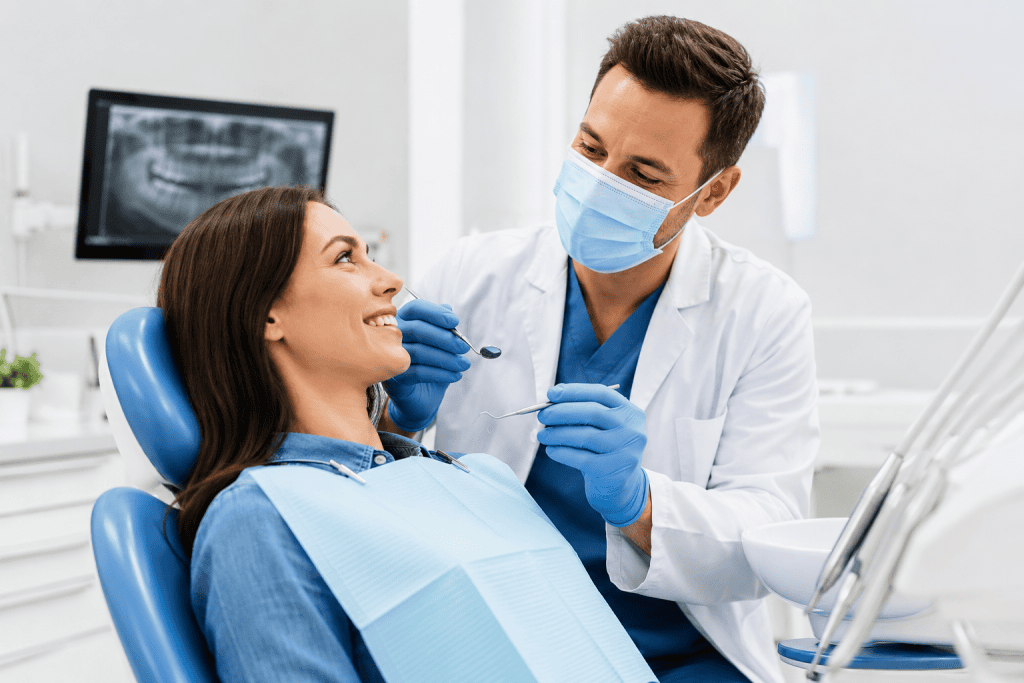
You’ll find a clear breakdown of what general dentistry costs in Delray Beach, FL, so you can plan appointments and budget without surprises. Most routine services—cleanings, fillings, X-rays and simple extractions—typically range from low hundreds to a few hundred dollars, while more involved work like crowns or root canals can push into the high hundreds or low thousands depending on complexity.
This post walks through which services count as general dentistry, typical price ranges, and the local factors that drive costs in Delray Beach. It also covers insurance basics, ways to lower out-of-pocket expenses, and practical prevention tips to help keep future bills smaller.
What Services Fall Under General Dentistry?
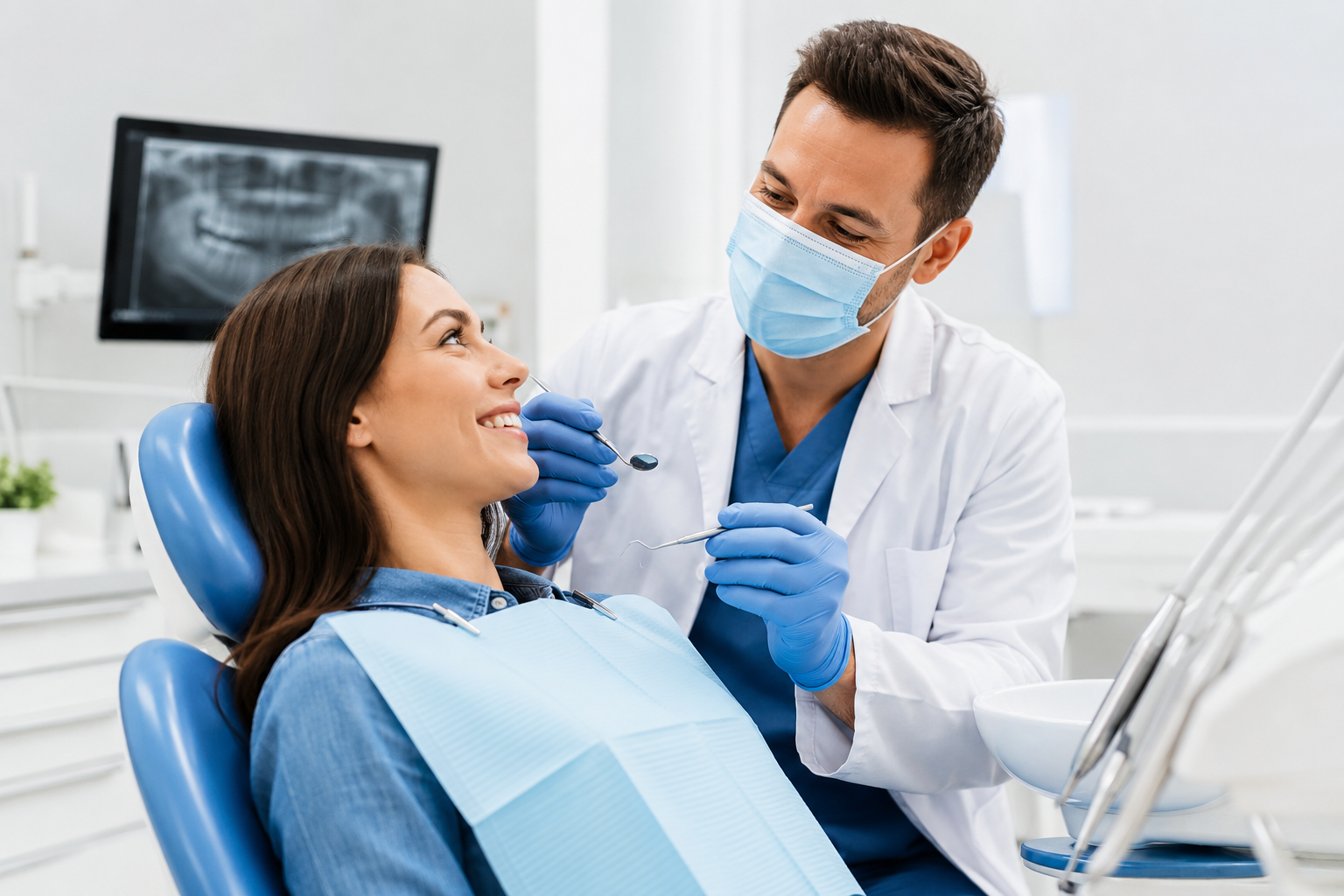
General dentistry in Delray Beach covers routine prevention, basic diagnostics, and common restorative procedures that keep teeth healthy and functional. Costs vary by service, materials, and whether the practice uses advanced imaging or sedation.
Routine Exams and Cleanings
Routine exams typically include a visual oral exam, periodontal (gum) assessment, and professional cleaning (prophylaxis). A standard visit often takes 30–60 minutes and may be billed as an exam plus a hygiene visit. Patients with healthy gums generally need two cleanings per year; those with gum disease may require more frequent periodontal maintenance and scaling/root planing.
Insurance usually covers at least part of preventive visits; out-of-pocket fees depend on whether the practice is in-network, and whether ultrasonic scaling or individualized fluoride treatments are used. Dentists often recommend digital notes and photos during the visit for treatment planning and to document changes over time.
X-Rays and Diagnostic Imaging
Dental x-rays provide essential information about cavities between teeth, bone levels, and tooth roots that a visual exam cannot see. Common types: bitewing x-rays (cavities), periapical x-rays (root issues), and full-mouth or panoramic images (overall jaw structure). Modern practices in Delray Beach commonly use digital x-rays, which reduce radiation and speed up results.
Costs depend on the number and type of images taken. A single set of bitewings is cheaper than a full-mouth series or cone-beam CT (CBCT). CBCT scans are more expensive but necessary for implant planning, complex extractions, or evaluating facial bone structure. Patients should check if imaging costs are bundled with exams or billed separately.
Fillings and Cavity Repair
Fillings restore teeth damaged by decay and prevent further breakdown of the tooth structure. Materials include amalgam (silver), composite (tooth-colored resin), glass ionomer, and porcelain or gold inlays/onlays for larger repairs. Composite fillings are most common in Delray Beach because they match tooth color and bond to enamel, but they cost more than amalgam.
Price depends on tooth location, material, and extent of decay. Simple single-surface composite fillings take about 20–40 minutes; multi-surface restorations or deep cavities may need more time or a crown instead. Dentists will numb the area, remove decay, and shape the restoration; they may schedule follow-up if the bite needs adjustment. Patients should ask about warranties, estimated longevity, and whether sedation or advanced adhesives are included in the quoted price.
Typical Price Range for Common Procedures
Most routine dental services in Delray Beach fall within predictable price bands. Patients can expect variation based on office location, dentist experience, and whether insurance or discounts apply.
Standard Professional Cleanings
Professional cleanings (prophylaxis) usually range from $80 to $160 for an adult without periodontal disease. This includes scaling, polishing, and a brief oral exam; hygienist time and equipment costs drive most of the fee. Patients with periodontal maintenance needs typically pay more—often $90 to $200—because treatment involves deeper scaling and more chair time.
Insurance commonly covers part or all of routine cleanings twice per year under preventive benefits. Many practices offer membership plans or discounts for uninsured patients that reduce out-of-pocket costs by 20–40%. Ask about ultrasonic scaling, which some offices bill separately or include at the higher end of the range.
Tooth Extractions
Simple extractions for a single erupted tooth typically cost $150 to $350 in Delray Beach. This covers local anesthesia, forceps removal, and basic post-op instructions. Surgical extractions (impacted teeth or broken roots) often range from $300 to $800, reflecting longer operating time, sutures, and possible imaging.
Wisdom tooth removal varies widely: an uncomplicated erupted wisdom tooth can be $200–$400 each, while fully impacted third molars commonly cost $400–$1,200 each. Sedation adds $100–$500 depending on type (nitrous vs. oral vs. IV). Insurance may cover extractions partly if medically necessary; confirm anesthetic coverage ahead of time.
Sealants and Fluoride Treatments
Dental sealants commonly cost $30 to $60 per tooth when applied to protect grooves on molars and premolars. Offices sometimes bundle sealants for multiple teeth (e.g., $120–$240 for four molars). Sealants provide a low-cost, preventive barrier and often last several years with proper oral hygiene.
Professional fluoride treatments are inexpensive, generally $15 to $40 per application for adults. Pediatric fluoride programs and high-concentration varnishes for patients with elevated decay risk may be slightly higher. Preventive services like these are often fully covered by pediatric dental plans and frequently offered at minimal cost for adults through in-office promotions or maintenance packages.
Factors That Affect Dental Costs in Delray Beach
Prices change based on the type of work, patient health needs, and where the practice is located. Understanding these drivers helps predict out-of-pocket costs and choose the right clinic for budget and care preferences.
Complexity of Care Needed
Treatment complexity directly raises the fee. A simple preventive visit with cleaning and exam typically ranges from a basic cost for hygiene to modest add-ons for X-rays or fluoride. In contrast, procedures like root canals, crowns, or extractions require more time, specialized materials, and often multiple visits, which increases total cost.
Medical history and oral health status further affect pricing. Patients with gum disease, extensive decay, or bite problems may need scaling and root planing, full-mouth restorations, or surgical interventions. Each added procedure brings separate fees and may require specialist referrals (endodontist, periodontist), which raises the overall bill.
Insurance, pre-existing conditions, and diagnostic needs also matter. Advanced imaging (CBCT scans) and lab fees for custom crowns or dentures add measurable costs. Practitioners who use high-end materials—zirconia crowns, ceramic implants—or sedation for anxious patients will reflect those choices in the estimate.
Dentist Experience and Clinic Location
Dentist qualifications and years of experience influence cost. An experienced prosthodontist or cosmetic dentist with advanced training typically charges more than a general dentist for comparable services. Their expertise can reduce complications and the need for rework, which may be cost-effective long term.
Clinic location within Delray Beach affects overhead and pricing. Practices near Atlantic Avenue or in affluent neighborhoods often have higher facility and staffing costs, which pass to patients as higher fees. Conversely, clinics in less expensive commercial areas may offer more competitive pricing for routine care.
Practice models and amenities also factor in. Clinics that provide same-day crowns (CAD/CAM), on-site labs, or comprehensive sedation invest in equipment and staff training, reflected in higher procedure charges. Payment plans, in-house membership plans, and participation in insurance networks can offset higher list prices for patients.
Insurance Coverage and Paying Out-of-Pocket
This section explains how insurance alters the billed amount and what patients usually pay directly, including typical percentages, limits, and timing for payments.
How Dental Insurance Impacts Your Bill
Dental insurance in Delray Beach typically covers a portion of preventive care and a smaller share of major procedures. Plans often pay 80–100% for cleanings and exams, 50–80% for basic restorations (like fillings), and 20–50% for major work (crowns, root canals).
Insurance uses annual maximums — commonly $1,000–$2,000 — which caps paid benefits each year. If a patient needs extensive treatment late in the year, they may hit that cap and pay the remainder out-of-pocket.
Networks matter: in-network providers have negotiated fees, so out-of-pocket costs are usually lower than with out-of-network dentists. Prior authorizations and predeterminations help estimate coverage; patients should request these before major work to avoid surprise bills.
Understanding Co-Pays and Deductibles
A deductible is the amount a patient pays before insurance contributes; common dental deductibles range from $25 to $150 per person per year. Deductibles often apply to major and some basic procedures, not routine cleanings.
Co-pays or co-insurance represent the percentage or fixed fee the patient owes after insurance pays its share — for example, 20% of a crown or a $40 co-pay for a specialist visit. Many plans require the patient to pay the estimated co-pay at the time of service.
Patients should verify benefit year start/end dates, waiting periods for certain services (commonly 6–12 months for major work), and any frequency limits (e.g., one set of x-rays every two years). Keeping clear documentation and asking the dental office to submit a predetermination can reduce unexpected out-of-pocket charges.
Ways to Make Dental Care More Affordable
Many dental offices in Delray Beach offer alternatives to high out‑of‑pocket costs, focusing on predictable fees, reduced rates for routine care, and flexible payment timing. Patients can lower expenses through membership plans, in‑office discount programs, or by arranging payments to spread costs across months.
Membership Plans and Discount Programs
Membership plans typically charge an annual or monthly fee in exchange for reduced rates on exams, cleanings, X‑rays, and basic procedures. For example, a typical plan might cost $299 per year and include two cleanings, two exams, and routine X‑rays, with restorations like fillings discounted 15–25%.
In‑office discount programs bypass insurance: patients pay the practice directly and receive set fees that are often lower than uninsured standard prices. These programs also remove insurance claim delays and preauthorization hassles. Patients should compare what’s included (preventive care, restorative discounts, emergency visits) and check exclusions such as specialist referrals or major prosthetics.
Patients should ask the practice for a written fee schedule, the exact discount rates for common services (e.g., crowns, root canals), and whether family plans or senior discounts exist. Confirm whether unused benefits carry over and if enrollment has waiting periods.
Flexible Payment Arrangements
Many practices accept credit cards and offer in‑office financing or third‑party plans like CareCredit, LendingClub, or Sunbit to split costs into 3–24 month terms. For example, CareCredit often provides 6–12 month no‑interest options for qualifying applicants; longer terms typically carry interest.
Dentists may also allow custom payment plans without a third party: a deposit followed by monthly installments arranged directly with the office. These plans can reduce administrative fees and provide more forgiving terms for unexpected treatments.
Patients should request a clear repayment schedule, total cost with interest, and any late‑fee policies before signing. They should also verify whether the payment plan covers only treatment fees or also includes lab costs (e.g., crowns, dentures) and whether emergency care can be added later.
Preventive Steps to Keep Costs Down
Small daily habits and timely visits reduce the need for costly procedures by catching problems early and preventing decay or gum disease from progressing.
Building a Consistent Home Care Routine
They should brush twice daily for two minutes with a fluoridated toothpaste and a soft-bristled brush to remove plaque effectively without damaging enamel or gums. Flossing once a day reaches the tight spaces between teeth where cavities and gum inflammation start; interdental brushes or water flossers help when teeth are crowded or bridges are present.
Using an alcohol-free, fluoride mouthrinse after brushing lowers acid levels and strengthens enamel. Replace the toothbrush every three months or after illness to maintain cleaning effectiveness. Eating fewer sugary snacks and rinsing with water after acidic or sticky foods reduces acid attacks that erode enamel and lead to fillings or crowns.
Keeping a simple hygiene kit—toothbrush, travel-size fluoride toothpaste, floss, and a compact interdental brush—helps maintain routine while traveling and prevents lapses that can escalate into costly treatments.
Timing Regular Check-Ups
They should schedule dental exams and cleanings every six months unless the dentist recommends a different interval based on individual risk. Regular cleanings remove hardened tartar that brushing can’t, cutting the chance of needing periodontal treatment later.
X-rays every 12–24 months, tailored to age and risk, detect cavities between teeth and infections before symptoms appear. Early detection often means smaller, less expensive fillings rather than root canals or extractions.
Patients should book follow-up visits promptly when they notice sensitivity, swelling, or persistent bad taste. Addressing small issues within weeks avoids progression to urgent, higher-cost care and keeps out-of-pocket expenses lower.
When to Discuss Options With Your Dentist
Patients should bring up treatment choices as soon as they notice pain, swelling, or changes in chewing. Early conversations often reduce the need for more invasive—and expensive—procedures later.
If routine checkups reveal decay, fractures, or gum recession, the dentist will outline options and cost estimates. Insurance coverage, payment plans, and alternative materials (like composite vs. porcelain) should be discussed at this point.
Before scheduling elective work—such as cosmetic treatments or elective extractions—patients should ask about timelines and follow-up visits. Knowing recovery time helps plan days off work and childcare if needed.
When anxiety or past negative dental experiences influence care, patients should tell the team. Many practices offer sedation, gradual treatment plans, or gentle techniques that affect both comfort and cost.
For complex cases involving implants, crowns, or full-mouth rehabilitation, a pre-treatment consultation with imaging and a written estimate is essential. Patients should request a breakdown showing professional fees, lab costs, and any required interim procedures.
Use this checklist during discussions:
- Ask for a written estimate and payment options.
- Verify what insurance will cover.
- Confirm expected number of visits and recovery time.
- Ask about less invasive alternatives and their longevity.
Encourage patients to call or message the office to set a consultation and bring any insurance cards, medical history, and a list of questions. This helps the dentist tailor a clear, comfortable, and affordable treatment plan.
Frequently Asked Questions
This section answers common cost concerns with specific price ranges, typical service breakdowns, insurance effects, and practical ways to lower bills in Delray Beach. It offers clear examples so readers can compare estimates and plan conversations with their dental office.
What should I expect to pay for a routine dental checkup and cleaning, including X-rays, in Delray Beach?
A basic exam and prophylaxis (cleaning) typically range from $80 to $150 at many Delray Beach practices.
Bitewing X-rays cost about $25–$75, while a full-mouth series or panoramic image runs $75–$200 depending on digital vs. traditional film.
If the visit includes a fluoride treatment or simple sealants, add $20–$60 per service.
Patients with periodontal maintenance (more frequent deep cleanings) should expect $100–$250 per visit.
How do dentists typically break down the costs of fillings, crowns, and root canals so I know what I’m paying for?
Fillings are priced by material and tooth location: composite (tooth-colored) fillings usually cost $120–$250 for front teeth and $150–$350 for molars.
Silver amalgam fillings, less common now, run $80–$200.
Crowns vary by material: porcelain-fused-to-metal $800–$1,200, all-ceramic or zirconia $1,000–$1,800.
The crown fee often bundles prep, impression/scanning, and temporary crown; lab fees make up a large portion of the total.
Root canals depend on the tooth: front tooth $300–$700, premolar $400–$900, molar $700–$1,500.
Endodontic costs include the procedure, possible post/core build-up, and a crown if needed afterward.
What factors can make dental treatment cost more or less—like the material used, technology, or the complexity of the procedure?
Material choice changes price significantly: higher-strength ceramics and gold cost more than basic ceramics or composite resin.
Advanced lab work or custom shading for esthetic cases adds to the bill.
Technology and technique affect cost: same-day crowns using CAD/CAM can cost more upfront but reduce appointments.
Procedure complexity—re-treatment, extensive decay, or unusual anatomy—increases chair time and total fees.
Geography and dentist experience also matter; specialists (endodontists, prosthodontists) commonly charge higher rates.
Office overhead—rent, staff, sterilization, and digital equipment—feeds into fees as well.
How does dental insurance usually affect out-of-pocket costs, and what’s the average monthly price for dental insurance in Florida?
Dental insurance often covers 80–100% of preventive care, 50–80% of basic procedures like fillings, and 20–50% of major procedures such as crowns.
Annual maximums typically range $1,000–$2,000, which can limit coverage for extensive work.
Individual dental plans in Florida commonly cost $20–$60 per month depending on coverage level, network, and age.
Employer-sponsored family plans often reduce per-person cost but vary with employer contribution.
Are there affordable options like payment plans, in-house memberships, or financing to help spread out dental costs?
Many Delray Beach offices offer in-house membership plans that cover two cleanings and exams for $200–$400 per year, plus discounts on other services.
Flexible payment plans or third-party financing (CareCredit, LendingClub) let patients split major procedures into monthly payments.
Some practices provide sliding-fee scales or discounts for cash-pay patients.
Patients should request written estimates and ask about interest rates, fees, and payoff timelines before signing financing agreements.
How can preventive care help me avoid bigger, more expensive dental treatments down the road?
Regular cleanings, exams, and timely fillings stop small issues from developing into root canals or crowns.
Sealants and fluoride reduce decay risk for vulnerable teeth, lowering future restorative needs.
Good daily oral hygiene and routine visits reduce the chance of advanced periodontal disease that requires surgery or tooth replacement.
Patients who catch problems early typically experience lower lifetime dental costs and fewer emergency visits.